The healthcare industry is experiencing an unprecedented digital transformation, and mobile apps are at the heart of this change. By 2025, healthcare apps will not only be commonplace—they will be essential. From streamlining patient management to providing remote consultations, mobile solutions are reshaping how we access and deliver medical care.
But how can organizations develop a successful healthcare app in 2025? This guide explores the latest trends, essential strategies, and expert insights for creating top-tier healthcare mobile solutions. Whether you’re a hospital administrator or a healthcare entrepreneur, you’ll find actionable advice to navigate this evolving landscape.The Growing Importance of Healthcare Apps
In the modern world, patients expect convenience, and providers aim for efficiency. Mobile apps bridge this gap. According to recent industry reports, the global healthcare app market is set to reach $100 billion by 2025. This growth is driven by the increasing demand for personalized, accessible care.Key Benefits of Healthcare Apps:
- Improved Access: Patients can connect with doctors from anywhere, reducing geographical barriers.
- Cost Efficiency: Mobile apps cut down administrative costs and prevent unnecessary hospital visits.
- Better Health Outcomes: Continuous monitoring and reminders help patients stay on track with treatments.
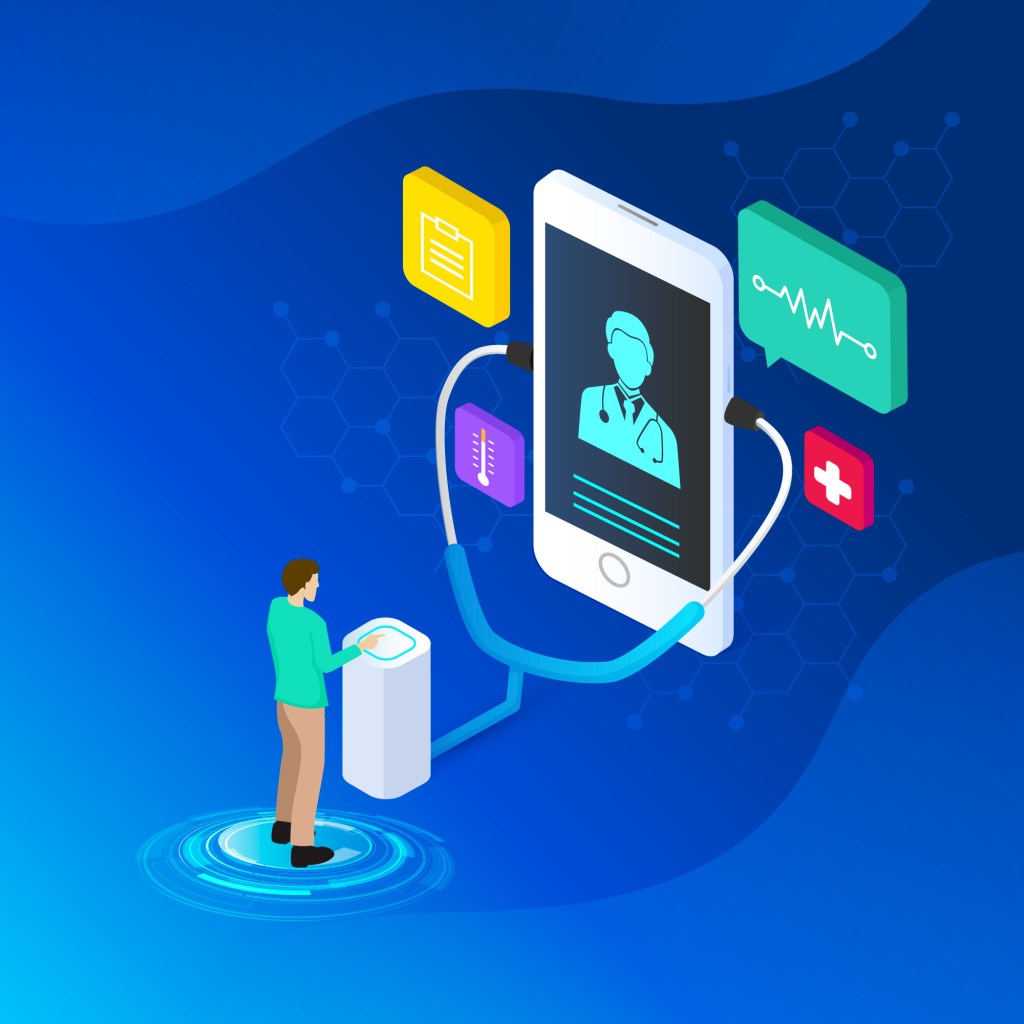
Healthcare mobile app development services are becoming essential partners for medical institutions aiming to capitalize on these benefits.
Trends Shaping Healthcare App Development in 2025
To stay ahead, it’s crucial to understand the trends that will define healthcare app development in 2025:
- Artificial Intelligence (AI) and Machine Learning (ML)
AI-powered apps can predict health issues, personalize treatment plans, and analyze vast amounts of medical data. By integrating ML algorithms, apps can offer predictive insights that improve preventive care.
- Telemedicine Evolution
Telemedicine is here to stay, but 2025 will see more advanced features like AI-driven diagnostic tools and real-time language translation.
- IoT and Wearable Integration
Wearables will sync seamlessly with mobile apps, providing real-time health data. This integration enhances remote patient monitoring and proactive care.
- Blockchain for Enhanced Security
Data security remains a top priority. Blockchain technology ensures transparent, tamper-proof health records, boosting patient trust.
- Augmented Reality (AR) for Training and Patient Education
AR can simulate medical procedures for training and help patients understand their conditions better through interactive visuals.
The best healthcare app development company will be at the forefront of these innovations, ensuring that apps are not only functional but future-proof.
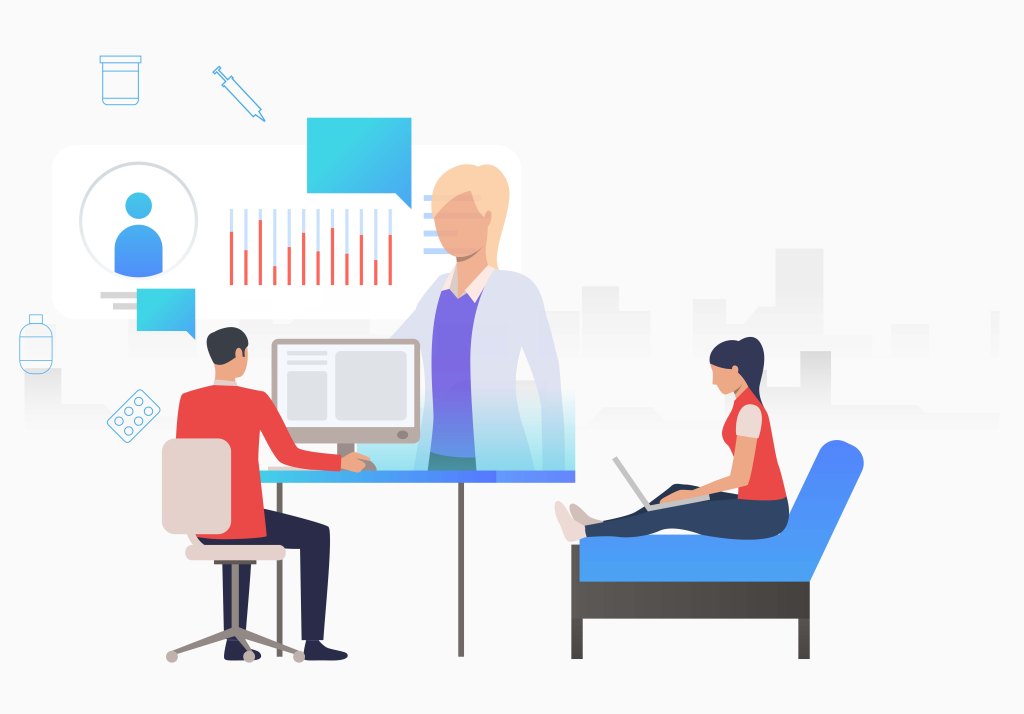
Steps to Develop a Successful Healthcare App in 2025
Creating a high-impact healthcare app involves careful planning and execution. Here’s a step-by-step guide:
Step 1: Identify Your Target Audience
Understanding your audience’s needs is critical. Are you targeting patients, doctors, or both? Define their pain points and how your app will solve them.
Step 2: Choose the Right Features
Essential features for any healthcare app include:
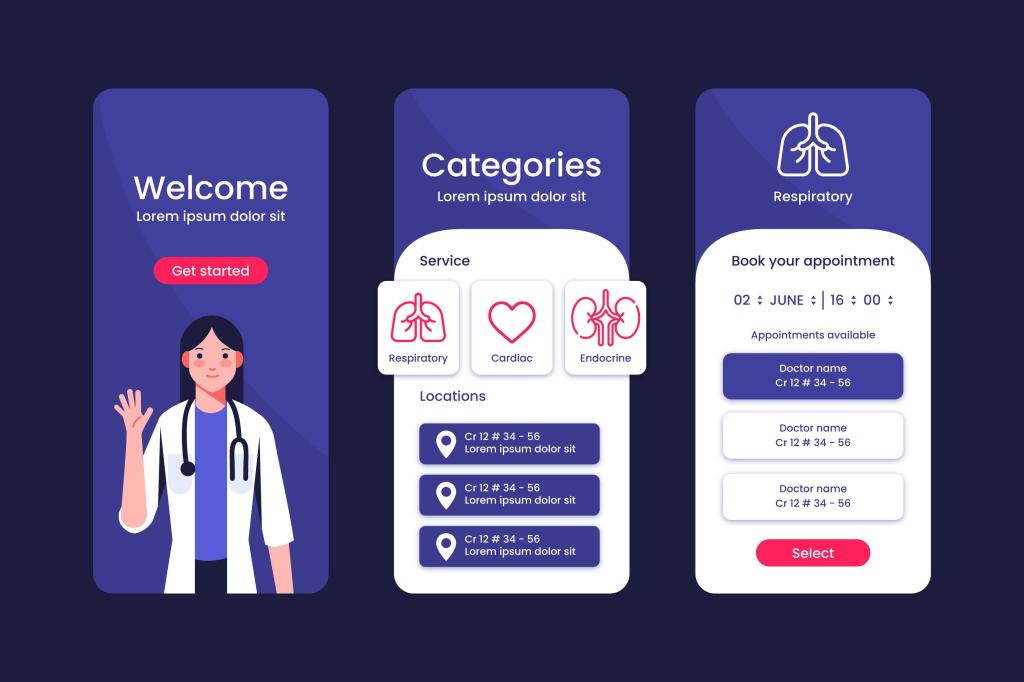
- Appointment Scheduling
- Teleconsultation
- EHR Access
- Prescription Management
- Push Notifications for Reminders
Custom features can set your app apart. Collaborating with healthcare mobile app development services ensures you identify and implement the right ones.
Step 3: Focus on User Experience (UX)
A healthcare app must be intuitive. Complex navigation frustrates users, especially elderly patients. Prioritize clear design, easy navigation, and accessibility.
Step 4: Ensure Data Security and Compliance
Compliance with regulations like HIPAA (US) and GDPR (Europe) is non-negotiable. Implement robust data encryption, secure logins, and regular security audits.
Step 5: Integrate with Existing Systems
Interoperability is key. Ensure your app can connect with existing hospital management systems and EHR platforms.
Step 6: Test Rigorously
Conduct extensive testing to identify bugs and usability issues. In healthcare, reliability can mean the difference between life and death.The Role of Healthcare Mobile App Development Services
Developing a healthcare app is a complex process that requires specialized knowledge. This is where professional healthcare mobile app development services come in.
What to Expect from a Reliable Development Partner:
- Expertise in Healthcare Regulations: Compliance with medical laws and standards is a core focus.
- Customized Solutions: Every healthcare provider has unique needs. The best companies offer tailor-made solutions.
- Focus on Security: They implement advanced security measures to protect sensitive data.
- Ongoing Support and Maintenance: Healthcare apps need regular updates and maintenance to stay functional and secure.
Choosing the Best Healthcare App Development Company
Selecting the right development partner is critical. Here’s what to look for:
- Proven Experience
Check the company’s portfolio. Do they have experience with healthcare projects? Their case studies should demonstrate expertise and success.
- Technical Proficiency
The company should be proficient in the latest technologies—AI, IoT, blockchain, and cloud computing.
- Client Testimonials
Reviews from previous clients offer insights into reliability, communication, and quality of work.
- Transparent Process
A good company keeps you involved at every stage, from planning to deployment.
By partnering with the best healthcare app development company, you ensure that your app meets both technical and user expectations.
The Future of Healthcare Apps: Beyond 2025
As technology continues to evolve, so too will healthcare apps. Here’s what we can expect in the coming years:
Virtual Health Assistants
AI-driven assistants will guide patients through their healthcare journeys, offering advice and reminders.
Remote Surgery Support
Advanced apps could assist in remote surgical operations, offering real-time data and support to surgeons.
Enhanced Patient-Doctor Collaboration
Future apps will enable deeper collaboration, with shared dashboards and real-time data analysis.
The future is bright, and organizations that invest in high-quality healthcare mobile app development services now will lead the way.
Conclusion
The healthcare landscape is changing rapidly, and mobile apps are at the forefront of this transformation. By 2025, a well-designed healthcare app won’t just be a luxury—it will be a necessity.
Whether you’re a hospital administrator or a healthcare entrepreneur, understanding the development process, trends, and best practices is essential. Partnering with the best healthcare app development company ensures that your app isn’t just another digital tool but a life-changing platform for patients and providers alike.
Invest in the future. Start building your healthcare app today.



 Sisgain
Leave a comment