In a rapidly evolving healthcare landscape, hospitals in Dubai are under increasing pressure to improve operational efficiency, enhance patient care, and comply with stringent regulations. One of the most effective ways to address these challenges is through the adoption of Hospital Management System (HMS) software. But can an HMS truly streamline healthcare operations in Dubai?
In this blog, we will explore how hospital management system software, hospital software systems, and hospital information system software can revolutionize healthcare services in Dubai, making them more efficient, patient-centric, and compliant with industry standards.
What is a Hospital Management System (HMS)?
A Hospital Management System (HMS) is a comprehensive software solution designed to manage and automate various hospital functions. From patient management and appointment scheduling to billing, inventory, and data analytics, HMS integrates multiple processes into a single system, streamlining operations and improving the quality of healthcare services. In Dubai, a city known for its modern healthcare infrastructure, integrating an HMS can provide hospitals with an edge in improving patient outcomes, operational efficiency, and regulatory compliance.
How Can Hospital Management System Software Streamline Healthcare in Dubai?
Dubai’s healthcare sector is among the best in the world, with world-class hospitals and healthcare providers. However, even the best institutions face challenges in managing high patient volumes, ensuring operational efficiency, and meeting regulatory requirements. Hospital management system software offers solutions to these problems, creating a more streamlined and efficient healthcare experience for patients and staff alike.
Let’s dive deeper into how these systems work to streamline healthcare in Dubai.
1. Centralized Patient Data Management
One of the biggest challenges for healthcare providers is maintaining accurate and up-to-date patient records. In the absence of a centralized system, patient data is often spread across different departments and paper records, which can result in errors, delays, and poor patient experiences.
Hospital management system software centralizes all patient information, including medical history, test results, treatment plans, and medication records, into a unified database. This allows healthcare professionals to access and update patient data in real time, ensuring that the information is always current and readily available when needed.
Benefits for Dubai Healthcare:
- Improved Accuracy: Real-time updates reduce the likelihood of errors in patient records.
- Faster Decision-Making: Doctors and nurses can instantly access patient data, leading to quicker diagnoses and treatment decisions.
- Enhanced Patient Experience: Patients no longer need to repeat their medical history every time they visit, making visits smoother and more efficient.
2. Efficient Appointment Scheduling and Management
Dubai is a major hub for medical tourism, attracting patients from all over the world seeking world-class care. As the demand for healthcare services increases, hospitals must ensure that their appointment scheduling process is efficient to minimize wait times and enhance patient satisfaction.
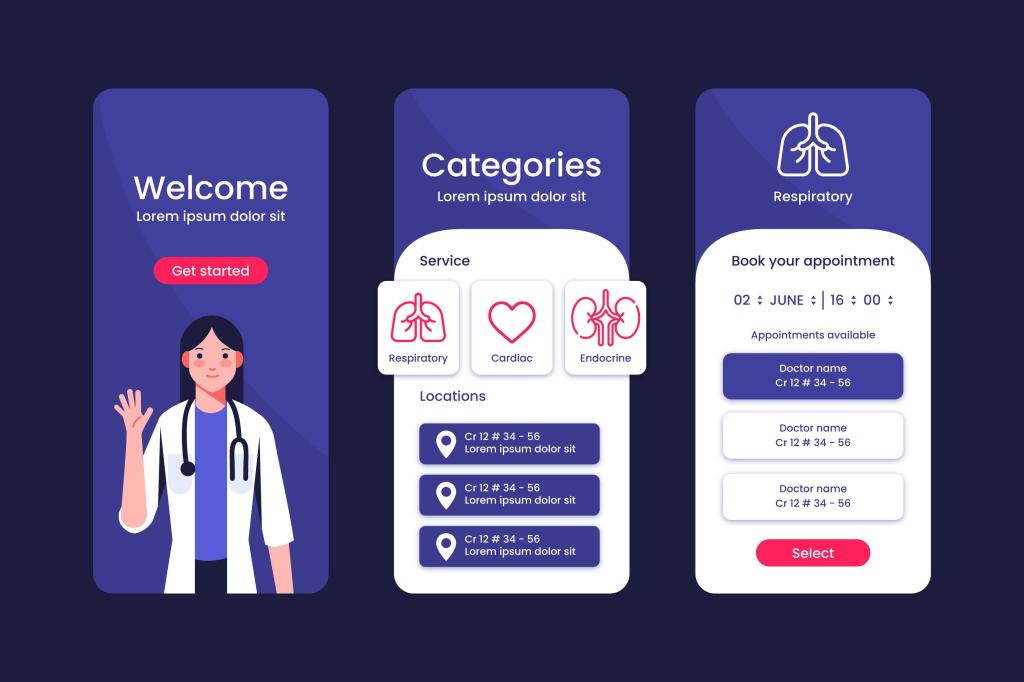
Hospital software systems include integrated scheduling tools that allow patients to book appointments online, check availability, and receive automated reminders. Healthcare providers can optimize their schedules, reduce no-shows, and allocate resources effectively.
Benefits for Dubai Healthcare:
- Reduced Wait Times: Automated scheduling ensures that appointments are booked in advance, reducing overcrowding in waiting areas.
- Optimized Resource Allocation: By analyzing scheduling patterns, hospitals can better allocate doctors, nurses, and resources.
- Better Patient Engagement: Patients receive reminders and notifications, improving their experience and reducing missed appointments.
3. Streamlined Billing and Revenue Cycle Management
Managing hospital finances, especially in a bustling city like Dubai, is a complex task that requires precision. Incorrect billing or delayed payments can create significant financial challenges for healthcare providers. A robust hospital management system simplifies billing by automating the entire revenue cycle—from patient registration and insurance verification to generating invoices and processing payments.
Hospital information system software also integrates with insurance companies to verify coverage, making the billing process seamless and transparent. This reduces human error and administrative costs associated with billing, which can be particularly beneficial for Dubai hospitals, where high patient volumes and complex insurance claims are common.
Benefits for Dubai Healthcare:
- Faster Payments: Automated billing speeds up the payment process and ensures timely reimbursements.
- Improved Financial Transparency: Patients and insurance companies receive clear, detailed invoices, reducing misunderstandings and disputes.
- Cost Savings: Automating the billing process reduces the need for manual labor and mitigates the risk of errors that could result in lost revenue.
4. Enhanced Inventory and Supply Chain Management
Efficient inventory management is crucial for ensuring that hospitals have the necessary medical supplies and equipment on hand at all times. Hospitals in Dubai, particularly those serving a large international patient base, need to maintain a well-stocked inventory to meet the high demand for healthcare products.
Hospital management system software integrates inventory management features that track the movement of medical supplies, monitor stock levels, and automate reordering. This ensures that hospitals never run out of critical supplies, and it helps to control costs by preventing overstocking.
Benefits for Dubai Healthcare:
- Optimized Stock Levels: Hospitals can maintain the right balance between having enough supplies on hand and not overstocking.
- Reduced Wastage: Automated tracking helps hospitals avoid expired or unused supplies.
- Cost Efficiency: With accurate inventory tracking, hospitals can make informed purchasing decisions and negotiate better contracts with suppliers.
5. Improved Patient Care with Real-Time Monitoring
Real-time patient monitoring is essential for improving patient outcomes, especially for those with chronic conditions or in critical care. Hospital software systems enable real-time tracking of patient vitals, lab results, and other important metrics. Nurses and doctors receive automatic alerts when a patient’s condition deteriorates, allowing for quick intervention.
For hospitals in Dubai, where patient care needs to meet the highest international standards, implementing real-time patient monitoring helps to ensure that every patient receives timely and appropriate care.
Benefits for Dubai Healthcare:
- Proactive Care: Real-time monitoring helps identify complications before they escalate.
- Faster Response Times: Alerts ensure that medical staff can respond to emergencies more quickly.
- Better Outcomes: By monitoring patients continuously, healthcare providers can improve the chances of positive outcomes, particularly for critical cases.
6. Compliance with Local and International Healthcare Standards
Dubai is known for its strict regulatory environment, and healthcare providers must comply with a range of local and international standards, including those related to data privacy, patient care, and safety. Hospital management system software helps ensure compliance by providing built-in features that align with healthcare regulations such as HIPAA (Health Insurance Portability and Accountability Act) and local health authority standards.
The software can automatically generate reports, track compliance metrics, and provide audit trails, making it easier for hospitals in Dubai to adhere to regulatory requirements without additional administrative effort.
Benefits for Dubai Healthcare:
- Reduced Risk of Non-Compliance: Automation reduces the risk of human error in meeting regulatory standards.
- Streamlined Reporting: Built-in reporting tools ensure that hospitals can quickly generate and submit reports required by authorities.
- Audit Trails: Hospitals can maintain comprehensive records for auditing and quality assurance.
7. Better Collaboration and Communication Among Healthcare Providers
Hospitals are bustling ecosystems with many departments, specialists, and support staff working together to care for patients. Effective communication is essential for ensuring that information is shared quickly and accurately.
Hospital information system software facilitates seamless communication between different departments, allowing staff to share patient data, updates, and recommendations easily. This leads to more coordinated care and better patient outcomes.
Benefits for Dubai Healthcare:
- Faster Collaboration: Staff can instantly access and share critical information.
- Enhanced Decision-Making: Doctors, nurses, and specialists can collaborate effectively, leading to more informed decisions.
- Improved Patient Outcomes: Coordinated care ensures that patients receive the best possible treatment at every stage of their journey.

Conclusion
The answer is a resounding yes. Hospital management system software, including hospital software systems and hospital information system software, can significantly streamline healthcare operations in Dubai. From improving patient care to optimizing resource management and ensuring compliance, these systems offer a range of benefits that can transform the healthcare experience for both patients and providers.
As Dubai continues to evolve as a global healthcare hub, the adoption of innovative technologies like hospital management systems will be key to meeting the demands of an ever-growing population and international patient base. By investing in an efficient HMS, Dubai’s hospitals can remain at the forefront of healthcare innovation, delivering top-tier care while ensuring smooth, efficient operations.
For hospitals looking to stay competitive, adopting a robust hospital management system isn’t just a good idea—it’s a necessity.


 Sisgain
Leave a comment