In today’s digital age, technology has reshaped how we live, work, and connect with the world. One area where innovation is making profound changes is healthcare. With the rise of healthcare app development, patients and providers alike are experiencing a revolution in how care is delivered and accessed. But how exactly do apps transform healthcare accessibility? Let’s explore.
The Need for Improved Healthcare Accessibility
Despite advancements in medical science, accessing healthcare services remains a challenge for many people. Geographic barriers, long waiting times, lack of medical professionals, and financial constraints often prevent timely care. These challenges disproportionately affect rural populations, elderly individuals, and those with limited mobility.
Healthcare apps bridge these gaps, making quality care more accessible, convenient, and affordable. With a smartphone and an internet connection, patients can connect with doctors, manage their health, and access resources that were once out of reach.
What Is Healthcare App Development?
Healthcare app development refers to the creation of mobile applications tailored to address various aspects of healthcare, including patient care, telemedicine, health monitoring, and hospital management. These apps leverage technology to provide solutions that are easy to use, efficient, and widely accessible.
Key features of healthcare apps include:
- Telemedicine: Virtual consultations with doctors.
- E-prescriptions: Digital prescriptions sent directly to pharmacies.
- Health Tracking: Monitoring vital signs, fitness, or chronic conditions.
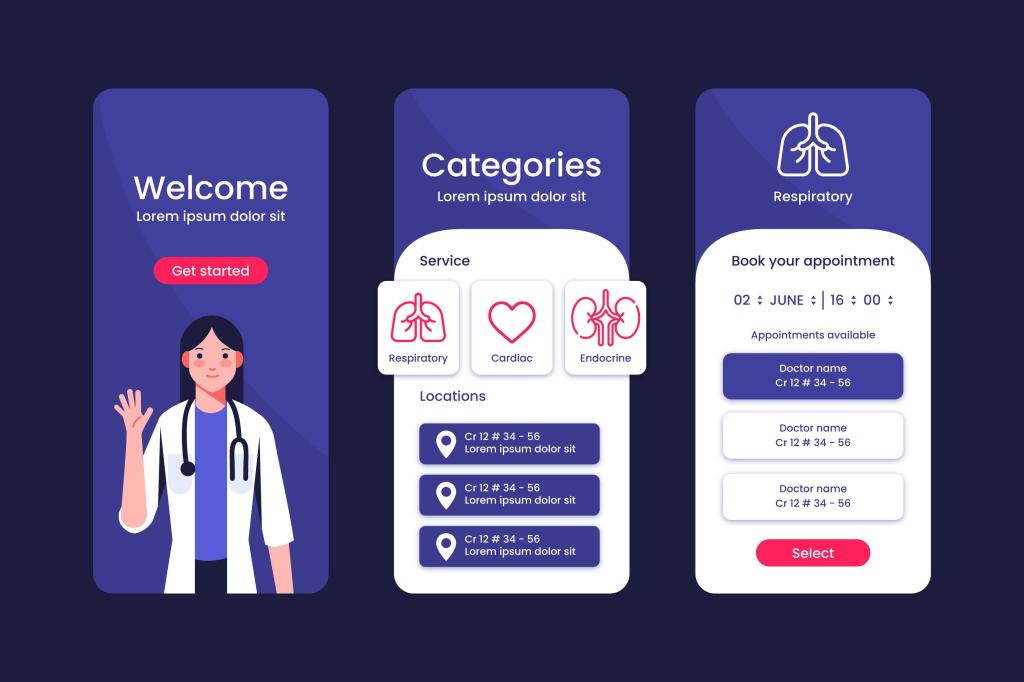
- Appointment Scheduling: Booking and managing medical visits.
- Educational Resources: Access to information about diseases, treatments, and preventive care.

Ways Apps Transform Healthcare Accessibility
1. Breaking Geographic Barriers
One of the most significant advantages of healthcare mobile app development services is the ability to eliminate geographical constraints. Telemedicine apps allow patients in remote or underserved areas to consult with specialists without traveling long distances. This is particularly valuable for:
- Rural Populations: Where medical facilities are scarce.
- Disabled Individuals: Who may find travel challenging.
- Global Healthcare Access: Connecting patients with experts across borders.
2. 24/7 Availability
Healthcare apps make medical services available round-the-clock. Whether it’s a teleconsultation or accessing medical records, users no longer have to wait for office hours. This is especially beneficial for emergencies or those with busy schedules.
3. Personalized Care Through Data Integration
Modern healthcare apps integrate with wearable devices and health trackers to collect real-time data on vital signs, activity levels, and sleep patterns. This data empowers doctors to provide personalized care, especially for managing chronic conditions like diabetes or hypertension.
4. Streamlining Appointment Scheduling
Gone are the days of waiting on hold to book an appointment. With intuitive healthcare app design, users can schedule, reschedule, and cancel appointments in just a few taps. Notifications and reminders ensure patients never miss a visit, improving compliance and reducing no-shows.
5. Affordable Healthcare Solutions
By reducing overhead costs associated with in-person visits, healthcare apps often provide a more affordable alternative. Patients can save money on travel, consultations, and follow-ups while healthcare providers benefit from reduced administrative costs.
6. Empowering Patients with Knowledge
Healthcare apps offer a wealth of educational resources, from articles and videos to FAQs and interactive tools. Empowered patients are better equipped to make informed decisions about their health and adhere to prescribed treatments.
The Role of Design in Healthcare App Accessibility
Healthcare app design is crucial to ensuring accessibility. A well-designed app is intuitive, user-friendly, and caters to the needs of diverse users, including those with disabilities or limited technological literacy.
Key Aspects of Effective Design:
- User-Centric Interface: Simple layouts, clear navigation, and readable fonts.
- Multilingual Support: To cater to a global audience.
- Accessibility Features: Voice commands, screen readers, and adjustable text sizes for users with disabilities.
- Data Privacy and Security: Ensuring users feel safe sharing sensitive health information.
By prioritizing these elements, app developers can create solutions that truly enhance accessibility for all.
Use Cases of Healthcare Apps Improving Accessibility
1. Telemedicine for Remote Consultations
Apps like Teladoc and Practo connect patients with licensed doctors for virtual consultations. Whether it’s a minor illness or follow-up care, these apps save time and effort for both parties.
2. Chronic Disease Management
Apps like MySugr (for diabetes management) or AsthmaMD help patients track symptoms, log medications, and receive tailored advice. They ensure consistent care and reduce the risk of complications.
3. Mental Health Support
Mental health apps like BetterHelp and Headspace offer therapy sessions, meditation exercises, and resources to support emotional well-being, breaking the stigma around seeking help.
4. Medication Reminders
Apps like Medisafe notify users to take their medications on time, improving adherence and health outcomes.
5. Emergency Services
Apps like SOS alerts provide quick access to emergency contacts, ambulances, or first aid instructions, proving life-saving in critical situations.
Challenges in Healthcare App Development
While healthcare apps offer immense potential, their development is not without challenges:
- Data Security Concerns: Handling sensitive health data requires stringent compliance with regulations like HIPAA or GDPR.
- Technology Adoption: Some users, especially the elderly, may struggle to adopt new technologies.
- Internet Dependency: Reliable internet access is necessary for app functionality, which can be a limitation in some regions.
- Customization Needs: Different healthcare systems and patient demographics require tailored solutions.
These challenges, however, can be mitigated through thoughtful healthcare mobile app development services and ongoing user support.

The Future of Healthcare Apps
As technology evolves, healthcare apps will continue to play a pivotal role in improving accessibility. Emerging trends include:
- Artificial Intelligence (AI): For predictive analytics, virtual health assistants, and personalized care.
- Blockchain: To enhance data security and interoperability.
- Internet of Things (IoT): Integrating with smart devices for real-time health monitoring.
- Augmented Reality (AR): For interactive medical training or rehabilitation exercises.
These innovations will further enhance the impact of apps, making healthcare more inclusive and efficient.
Conclusion
Healthcare apps are not just tools; they are bridges connecting people to the care they need. By leveraging healthcare app development, healthcare app design, and innovative services, these solutions are transforming how we access and experience healthcare.
From breaking down barriers to providing personalized care, apps are making healthcare more accessible, affordable, and convenient for everyone. As we embrace this digital revolution, one thing is clear: the future of healthcare is in our hands—quite literally, through our smartphones.



 Sisgain
Leave a comment