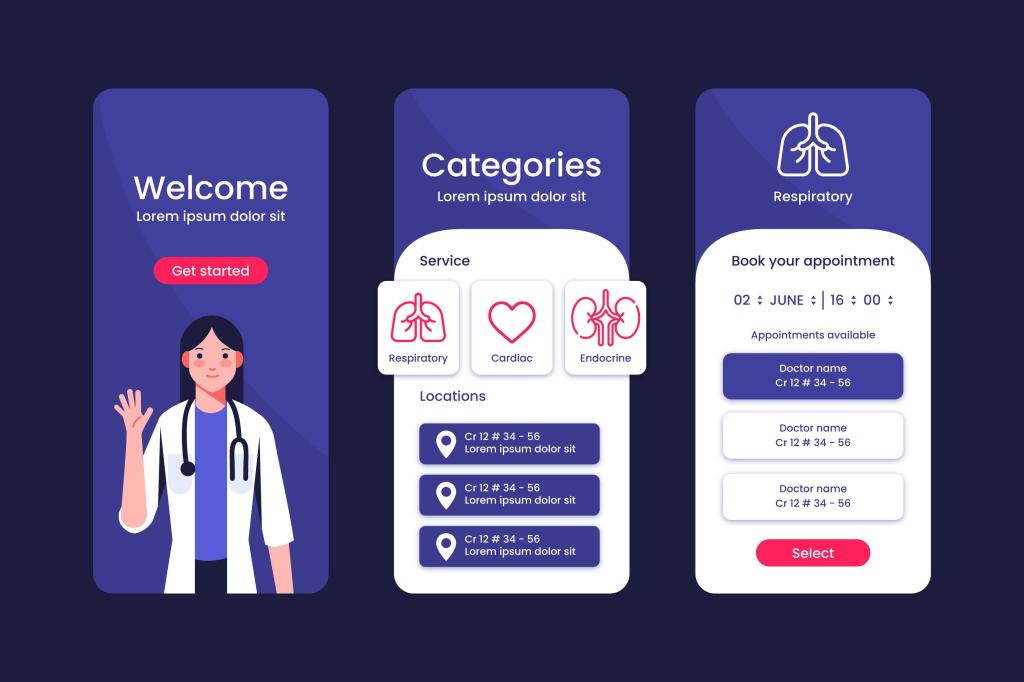
In today’s fast-paced world, where technology continues to redefine industries, healthcare is no exception. The rise of mobile applications has revolutionized the way we access and manage medical services. Smart healthcare app design plays a crucial role in making these apps effective, user-friendly, and accessible to all. This blog explores how custom healthcare app development simplifies the process of creating tailored solutions, ensuring your healthcare app meets the needs of both providers and patients.
Why Healthcare App Design Matters
Healthcare app design is more than just aesthetics; it’s about creating an intuitive and efficient experience for users. With patients and healthcare providers relying on these apps for critical services, design impacts usability, trust, and ultimately, the app’s success. A well-designed healthcare app streamlines navigation, minimizes errors, and provides seamless access to medical information and services.
Understanding Custom Healthcare App Development
Custom healthcare app development refers to creating tailored solutions that address specific requirements of healthcare providers, patients, or businesses. Unlike generic apps, custom solutions are built from the ground up, considering the unique challenges and goals of the healthcare domain. Whether you’re developing an app for telemedicine, appointment scheduling, or chronic disease management, custom development ensures a perfect fit for your target audience.
Key Features of a Smart Healthcare App
To ensure your healthcare app meets user expectations and industry standards, it’s essential to focus on core features during the design phase. Here are some must-have features:
1. User-Friendly Interface
- Simple navigation and intuitive design to cater to users of all age groups.
- Clear icons, fonts, and a responsive layout to enhance accessibility.
2. Secure Data Management
- Integration of strong encryption and compliance with regulations like HIPAA to protect sensitive patient information.
- Role-based access to ensure only authorized personnel can view or edit data.
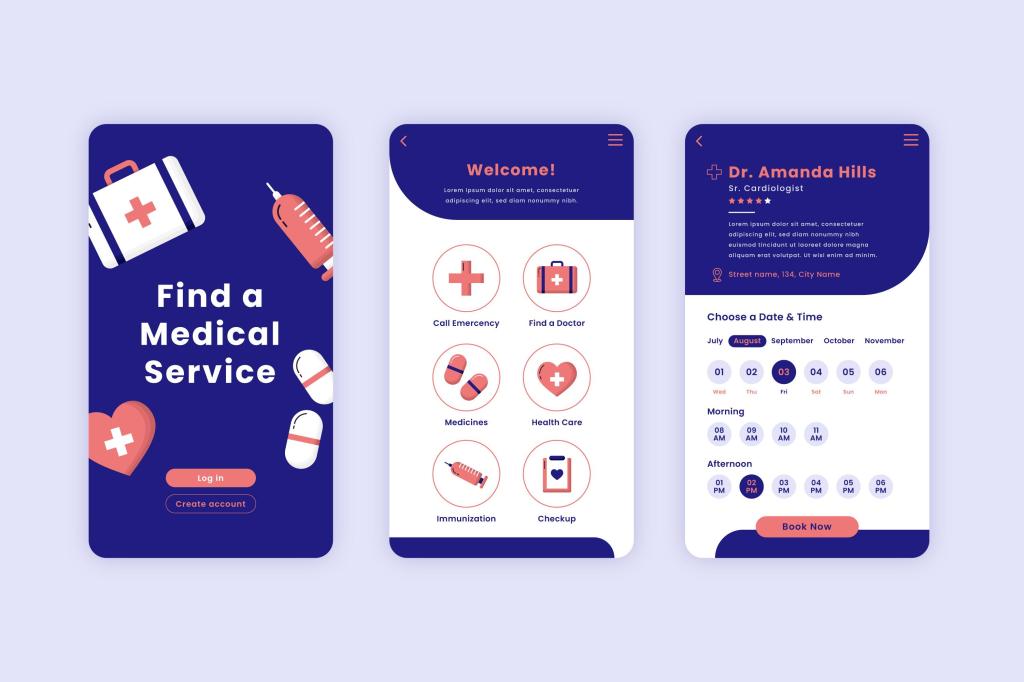
3. Appointment Scheduling
- A calendar integration for booking, rescheduling, or canceling appointments.
- Push notifications and reminders to minimize no-shows.
4. Telemedicine Capabilities
- Video conferencing options for virtual consultations.
- Secure messaging and file-sharing features for exchanging reports and prescriptions.
5. Health Monitoring and Analytics
- Tools to track vitals, medication adherence, or fitness goals.
- Data visualization to provide users with insights into their health trends.
6. Multi-Platform Accessibility
- Compatibility with iOS, Android, and web platforms for wider reach.
- Integration with wearable devices for enhanced functionality.
Simplifying Healthcare App Development
Smart healthcare app design begins with a structured and systematic development process. Here’s how to streamline it:
1. Define Your Objectives
Start with a clear understanding of your app’s purpose. Are you addressing a specific pain point, such as long wait times for appointments, or providing a comprehensive solution for chronic disease management? Defining objectives ensures your app’s features align with user needs.
2. Understand Your Audience
Identifying your target audience—patients, doctors, or healthcare administrators—is key to creating a user-centric app. Conduct surveys or interviews to gather insights about their preferences, challenges, and expectations.
3. Collaborate with Experts
Healthcare app development requires expertise in both healthcare and technology. Partnering with experienced developers and designers ensures your app adheres to industry standards and regulations.
4. Prioritize Security and Compliance
Healthcare apps deal with sensitive information, making security a top priority. Implement robust encryption, authentication mechanisms, and ensure compliance with regional healthcare regulations like HIPAA, GDPR, or PIPEDA.
5. Design for Simplicity
Simplicity is the cornerstone of effective healthcare app design. Use minimalistic layouts, avoid clutter, and ensure all functions are easily accessible. The simpler the app, the more likely users are to adopt it.
6. Focus on Accessibility
Your app should cater to users with varying levels of technical proficiency and physical abilities. Features like voice commands, text-to-speech, and adjustable font sizes make your app inclusive.
7. Test Extensively
Thorough testing is essential to identify bugs and ensure the app functions smoothly under different conditions. Conduct usability tests with real users to refine the design further.
Leveraging Trends in Healthcare App Design
To stay competitive, it’s essential to embrace the latest trends in healthcare app development. Here are some innovative approaches:
1. AI and Machine Learning
Incorporating AI enables features like predictive analytics, personalized health recommendations, and automated chatbots for 24/7 support.
2. Blockchain for Data Security
Blockchain technology offers an additional layer of security by creating immutable records, ensuring data integrity and trust.
3. Wearable Integration
Smart healthcare apps that sync with wearables like fitness trackers or smartwatches empower users to monitor their health in real-time.
4. Voice Assistants
Voice-enabled features allow users to perform tasks hands-free, improving accessibility for those with disabilities or busy lifestyles.
5. Augmented Reality (AR) and Virtual Reality (VR)
AR and VR can enhance telemedicine experiences, medical training, and even patient education by simulating procedures or anatomy in 3D.
Benefits of Smart Healthcare Apps
Investing in custom healthcare app development offers numerous advantages:
- Improved Patient Engagement: Interactive features and personalized insights foster better health management.
- Enhanced Provider Efficiency: Automating administrative tasks allows healthcare professionals to focus on patient care.
- Cost-Effective Solutions: Remote monitoring and virtual consultations reduce operational costs.
- Broader Reach: Multi-platform accessibility ensures services reach a wider audience, including those in remote areas.
- Real-Time Insights: Data analytics help both users and providers make informed decisions.
Conclusion
Smart healthcare app design is the foundation of innovative and effective healthcare solutions. By focusing on custom healthcare app development, businesses can address specific needs, ensure user satisfaction, and comply with industry regulations. A successful healthcare app combines intuitive design, robust functionality, and cutting-edge technology to simplify healthcare delivery. As technology continues to evolve, embracing these principles ensures your app stands out and truly makes a difference in the lives of its users.
Start your journey in healthcare app development today, and create a solution that bridges the gap between patients and providers, revolutionizing healthcare one tap at a time.



 Sisgain
Leave a comment