
In the dynamic and ever-evolving healthcare industry, efficient management systems are pivotal in delivering high-quality patient care while optimizing operational workflows. Hospital and outpatient solutions, encompassing hospital management solutions, outpatient management systems, and hospital information software, have emerged as transformative tools for modern healthcare facilities. These advanced technologies enable seamless integration of processes, enhance patient outcomes, and ensure cost-effectiveness. Let’s explore how these solutions are reshaping healthcare as we know it.
The Need for Transformation in Healthcare Management
Healthcare facilities face numerous challenges, including increasing patient loads, resource constraints, regulatory demands, and the need for timely and accurate data. Traditional methods of management often fall short, leading to inefficiencies, delays, and even compromised patient safety.
This is where hospital management solutions and outpatient management systems step in. These technologies are designed to streamline operations, reduce manual errors, and provide real-time access to critical information. Additionally, hospital information software integrates all aspects of patient care and administrative tasks, enabling healthcare providers to make informed decisions and focus on what matters most—the patients.
Understanding Hospital and Outpatient Solutions
1. Hospital Management Solutions
Hospital management solutions are comprehensive systems that address the end-to-end needs of a hospital. From patient registration and billing to inventory management and staff scheduling, these systems automate and optimize processes across departments.
Key Features:
- Centralized Data Management: All patient and operational data are stored in a unified system, reducing redundancies.
- Billing and Financial Oversight: Automated billing ensures accuracy, while financial reporting aids in cost control.
- Resource Allocation: Efficiently assigns resources, such as rooms and medical equipment, based on real-time needs.
- Regulatory Compliance: Ensures adherence to healthcare regulations through automated reporting and documentation.
Benefits:
- Improved workflow efficiency.
- Reduced administrative burden on staff.
- Enhanced patient satisfaction due to faster service delivery.
2. Outpatient Management Systems
Outpatient services form a significant portion of healthcare delivery. An outpatient management system is tailored to address the unique requirements of outpatient care, including appointment scheduling, patient tracking, and follow-ups.
Key Features:
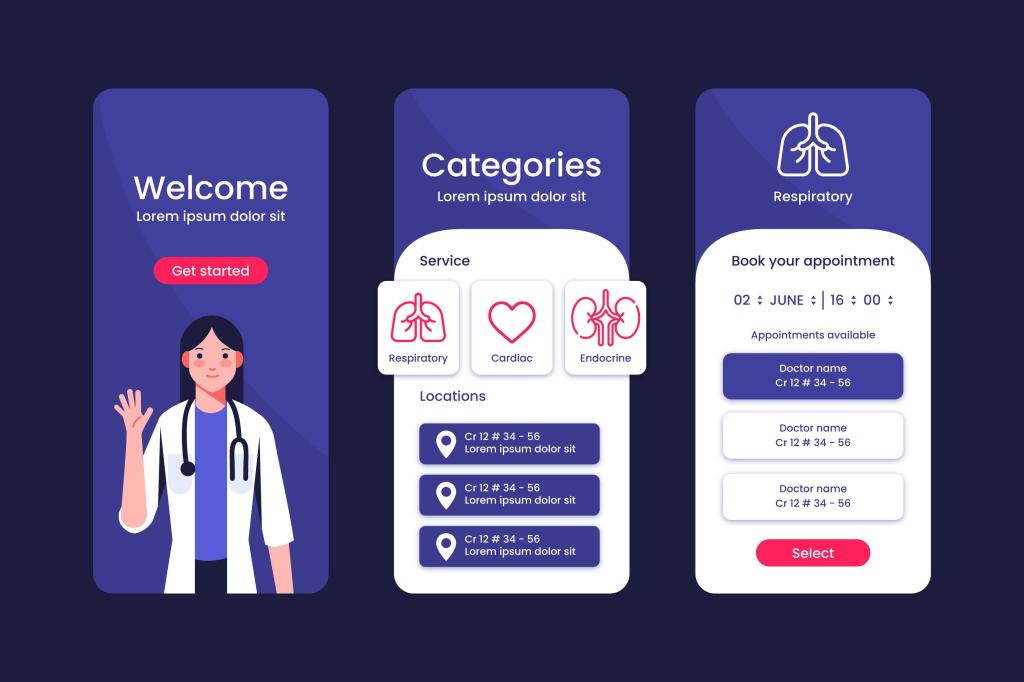
- Online Appointment Scheduling: Allows patients to book appointments conveniently.
- EHR Integration: Provides doctors with quick access to patient history and treatment plans.
- Real-Time Tracking: Monitors patient flow to reduce wait times.
- Follow-Up Reminders: Sends automated reminders for follow-ups and medication.
Benefits:
- Streamlined patient experiences.
- Reduced no-shows and missed appointments.
- Enhanced doctor-patient communication.
3. Hospital Information Software
Hospital information software acts as the backbone of healthcare IT infrastructure. It integrates data from various systems, including hospital management solutions and outpatient management systems, into a cohesive platform.
Key Features:
- Data Analytics: Provides actionable insights from patient and operational data.
- Interoperability: Ensures seamless communication between different departments and systems.
- Telemedicine Integration: Supports virtual consultations and remote patient monitoring.
- Customizable Dashboards: Offers tailored views for administrators, doctors, and staff.
Benefits:
- Better decision-making through data-driven insights.
- Enhanced coordination across departments.
- Scalability to adapt to the growing needs of the facility.
How These Solutions Transform Healthcare
1. Enhancing Patient Care
Hospital and outpatient solutions place the patient at the center of care delivery. With tools like online appointment scheduling, automated reminders, and real-time updates, patients enjoy a smoother experience. Moreover, EHR integration ensures that doctors have all the necessary information to provide accurate diagnoses and effective treatments.
2. Optimizing Operational Efficiency
Automation reduces manual workloads, allowing staff to focus on critical tasks. Hospital management solutions optimize resource allocation, while outpatient systems streamline patient flow, ensuring that no time is wasted in unnecessary delays.
3. Improving Data Management and Insights
Hospital information software consolidates data from various sources, enabling comprehensive analysis. These insights help administrators identify bottlenecks, forecast resource needs, and evaluate performance metrics.
4. Ensuring Compliance and Security
Healthcare regulations are stringent, and non-compliance can result in hefty penalties. These solutions ensure compliance by automating reporting and maintaining secure, audit-ready records. Additionally, robust cybersecurity measures protect sensitive patient data.
5. Fostering Innovation
The integration of advanced technologies like artificial intelligence, machine learning, and telemedicine into these solutions fosters innovation. For instance, predictive analytics can identify potential health risks, while telemedicine expands access to care for remote populations.
Real-World Impact of Hospital and Outpatient Solutions
Many healthcare providers have already reaped the benefits of implementing these technologies. Here are some examples:
- Reduced Patient Wait Times: A large hospital implemented an outpatient management system and reduced patient wait times by 30%, significantly improving patient satisfaction.
- Improved Financial Performance: A multi-specialty hospital integrated hospital management solutions and streamlined billing and inventory management, reducing operational costs by 20%.
- Enhanced Care Quality: A healthcare network adopted hospital information software to centralize data and enhance collaboration across its facilities, leading to improved treatment outcomes.
Choosing the Right Solution
When selecting hospital and outpatient solutions, consider the following:
- Scalability: Ensure the solution can grow with your facility.
- Customization: Look for features tailored to your specific needs.
- Interoperability: Choose systems that integrate seamlessly with existing infrastructure.
- User-Friendliness: Prioritize intuitive interfaces to reduce training time.
- Vendor Support: Opt for providers with robust customer support and regular updates.

The Future of Healthcare with Integrated Solutions
The future of healthcare lies in the integration of hospital management solutions, outpatient management systems, and hospital information software. These technologies will continue to evolve, incorporating advancements like AI-driven diagnostics, wearable health devices, and blockchain for secure data sharing.
By embracing these solutions, healthcare providers can transform their operations, deliver superior patient care, and remain competitive in an increasingly digital world.
Conclusion
Hospital and outpatient solutions are not just tools; they are enablers of a more efficient, patient-centric healthcare system. From automating routine tasks to providing deep insights through data analytics, these technologies have the potential to revolutionize healthcare delivery. For any healthcare provider aiming to stay ahead, investing in these solutions is no longer optional—it is essential.
By adopting hospital management solutions, outpatient management systems, and hospital information software, healthcare facilities can overcome challenges, enhance efficiency, and ultimately provide better care for their patients. The journey to transformation begins today.

 Sisgain
Leave a comment