
In the rapidly evolving healthcare industry, technology plays a pivotal role in enhancing operational efficiency, improving patient outcomes, and ensuring seamless management. One such technological marvel is a robust hospital management software (HMS). Designed to streamline operations, improve patient care, and reduce administrative burdens, a great hospital management software can transform the way healthcare facilities operate. But what exactly makes an HMS stand out? Let’s explore the essential attributes of an exceptional hospital patient management system and the benefits it offers to healthcare providers and patients alike.
Meaning of Hospital Management Software
Hospital management software is a comprehensive system designed to manage the various aspects of a hospital’s operations. From patient admission and discharge to billing and inventory management, this software encompasses multiple modules that work together to create an efficient workflow. The best online hospital management systems are scalable, user-friendly, and tailored to meet the unique needs of different healthcare facilities.
Key Features of a Great Hospital Management Software
To qualify as exceptional, a hospital management software must include certain core features that enhance usability, efficiency, and patient satisfaction. Here are the must-have features:
- Patient Information
- A top-tier hospital patient management system consolidates all patient-related information into a single, accessible platform.
- Medical history, test results, treatment plans, and billing records are easily retrievable, ensuring continuity of care.
- Appointment Scheduling
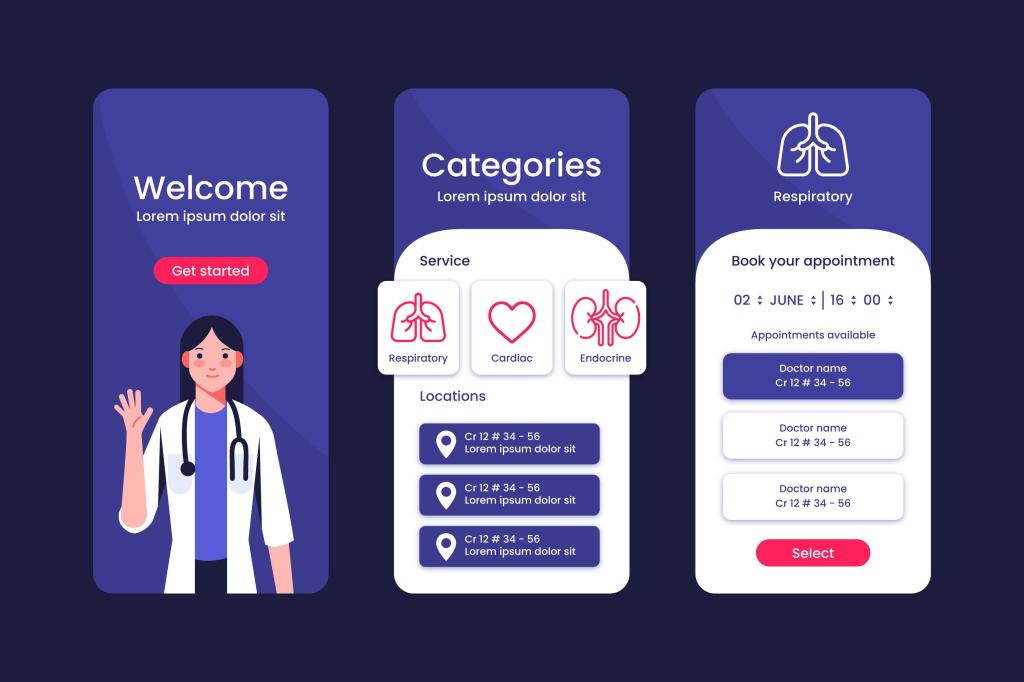
- An integrated appointment management module enables patients to book, reschedule, or cancel appointments online.
- Automatic reminders via SMS or email reduce no-shows and improve time management.
- Electronic Health Records (EHR)
- EHR integration ensures that patient data is stored securely and can be accessed by authorized personnel at any time.
- This feature eliminates paperwork and speeds up the decision-making process.
- Billing and Financial Management
- Simplified billing systems generate invoices, process payments, and manage insurance claims with ease.
- Real-time financial reporting helps administrators track revenue and expenses.
- Telemedicine Integration
- A great online hospital management system includes telemedicine capabilities, allowing remote consultations.
- This feature is especially useful for patients in rural or underserved areas.
- Data Security and Compliance
- Robust data encryption and compliance with regulations like HIPAA ensure that patient information remains confidential.
- Multi-factor authentication and regular software updates bolster security.
- Customizable Dashboards
- User-friendly dashboards allow staff to monitor key metrics, access reports, and manage tasks efficiently.
- Customization ensures that each department can tailor the interface to their needs.
- Workflow Automation
- Automation of routine tasks like appointment reminders, billing, and report generation saves time and reduces errors.
- Scalability
- As a healthcare facility grows, the software should be able to scale accordingly, accommodating more users and additional functionalities.
Benefits of a Great Hospital Patient Management System
A well-designed hospital patient management system offers numerous advantages to both healthcare providers and patients:
- Enhanced Patient Experience
- Patients benefit from streamlined appointment processes, reduced waiting times, and personalized care.
- Online portals provide easy access to medical records, lab results, and billing information.
- Improved Operational Efficiency
- Automation reduces manual tasks, enabling staff to focus on patient care.
- Centralized systems eliminate redundancies and improve communication across departments.
- Data-Driven Decisions
- Advanced analytics provide insights into patient trends, resource utilization, and financial performance.
- Data-driven strategies improve resource allocation and overall efficiency.
- Cost Reduction
- Minimizing errors in billing and inventory management reduces financial losses.
- Efficient resource planning ensures optimal utilization of staff and equipment.
- Regulatory Compliance
- Built-in compliance features simplify adherence to local and international healthcare regulations.
- Scalability and Flexibility
- Customizable modules and scalability ensure that the software adapts to the evolving needs of the facility.
Choosing the Right Hospital Management Software Development Partner
Selecting the right development partner is crucial for creating a hospital management software tailored to your needs. Here are some factors to consider:
- Industry Expertise
- Choose a development partner with a proven track record in hospital management software development.
- Familiarity with healthcare workflows and regulations ensures a smoother implementation process.
- Customization Options
- Off-the-shelf solutions may not meet your unique requirements. Opt for a partner who offers fully customizable solutions.
- Integration Capabilities
- Ensure the software can integrate seamlessly with existing systems like laboratory information systems (LIS) or radiology information systems (RIS).
- Support and Maintenance
- Post-deployment support and regular updates are essential for maintaining software performance and security.
- User Training
- Comprehensive training for staff ensures that the software is used to its full potential.
Trends in Hospital Management Software Development
The healthcare industry is constantly evolving, and so is hospital management software. Here are some emerging trends:
- Artificial Intelligence (AI) Integration
- AI-powered tools enhance diagnostic accuracy, predict patient outcomes, and automate administrative tasks.
- Blockchain for Data Security
- Blockchain technology ensures secure and transparent data sharing among stakeholders.
- Cloud-Based Solutions
- Cloud-based hospital management systems offer scalability, remote access, and cost-effectiveness.
- Patient-Centric Features
- Features like personalized health recommendations and wellness trackers empower patients to take charge of their health.
Steps to Implementing an Online Hospital Management System
Implementing an online hospital management system requires careful planning and execution. Here are the steps to ensure a successful rollout:
- Needs Assessment
- Identify the specific challenges and requirements of your facility.
- Stakeholder Involvement
- Involve key stakeholders, including doctors, nurses, and administrators, in the decision-making process.
- Vendor Selection
- Choose a reliable hospital management software development partner with experience and expertise.
- Customization and Integration
- Work closely with developers to customize the software and integrate it with existing systems.
- Training and Deployment
- Provide comprehensive training to staff and conduct a phased deployment to minimize disruptions.
- Evaluation and Optimization
- Continuously monitor the software’s performance and gather feedback for future improvements.

Conclusion
A great hospital management software development is more than just a tool—it’s a comprehensive solution that transforms healthcare delivery. By streamlining operations, enhancing patient care, and enabling data-driven decisions, an exceptional hospital patient management system is indispensable for modern healthcare facilities.
In today’s digital age, the future of healthcare lies in intelligent, scalable, and user-friendly management systems. Take the first step towards innovation and excellence by exploring the possibilities of advanced hospital management software.

 Sisgain
Leave a comment